







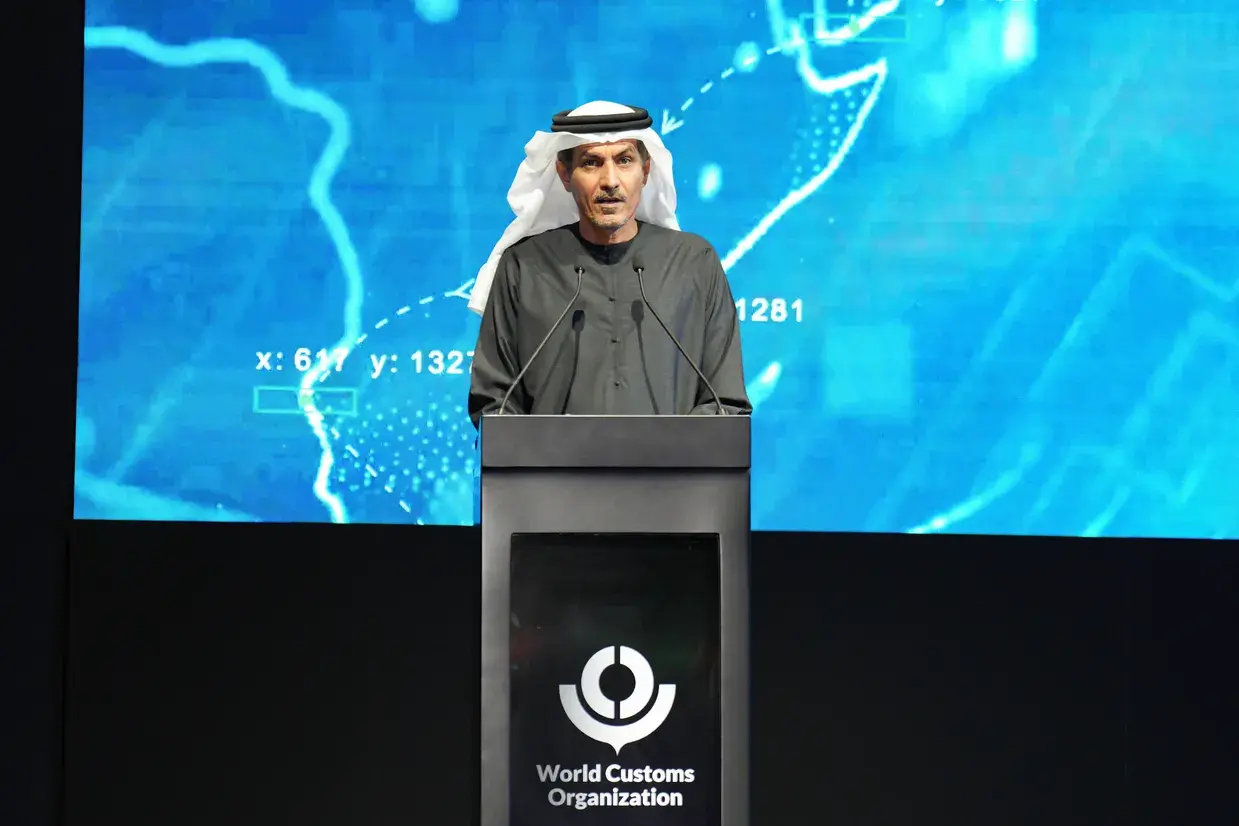
Ali Mohammed Al Shamsi:
The UAE adopts a proactive approach to harnessing advanced technologies to develop the national customs sector
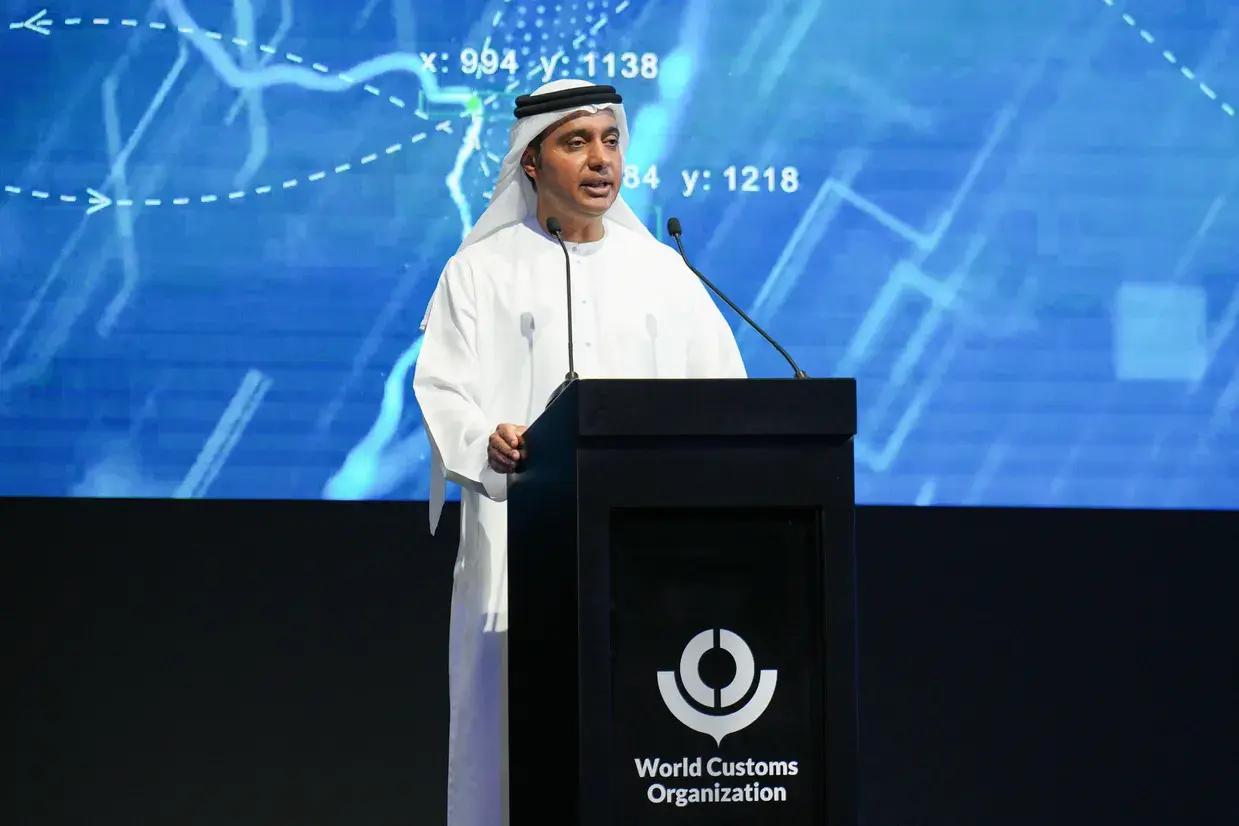
Ahmed bin Lahaj Al Falasi:
Utilizing the latest logistics technologies and innovating new tools enhances customs efficiency
Ian Saunders:
The daily vigilance of customs administrations and their commitment to countering threats are fundamental to the prosperity of societies
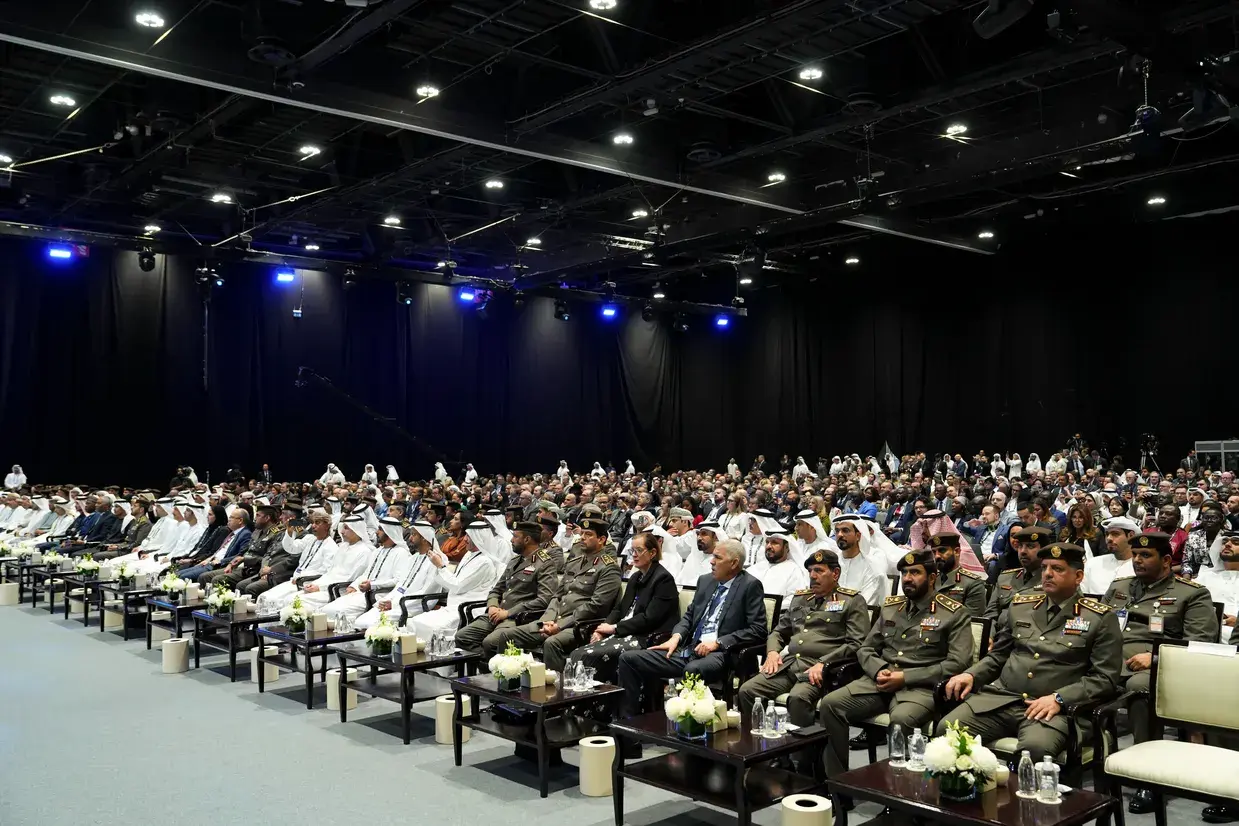
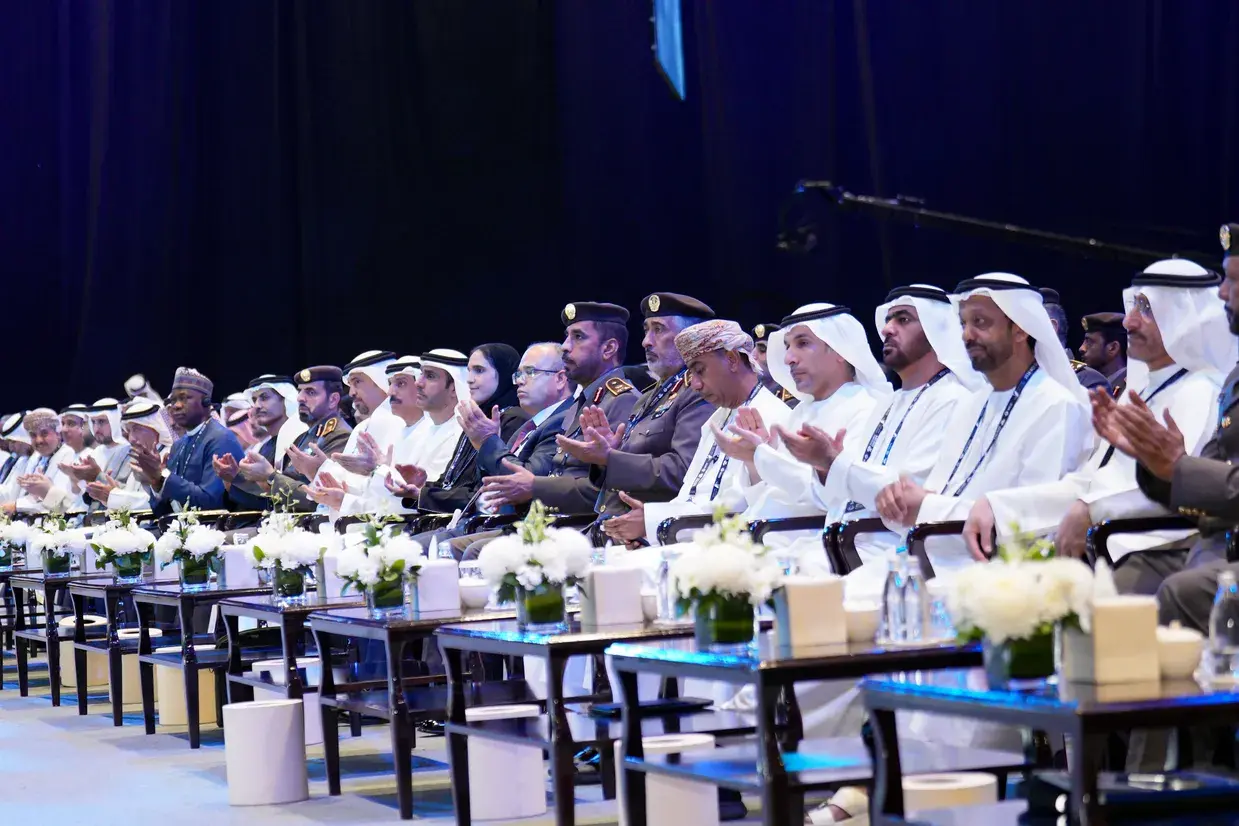
Under the patronage of His Highness Sheikh Mansour bin Zayed Al Nahyan, Vice President of the UAE, Deputy Prime Minister, and Chairman of the Presidential Court, the World Customs Organization (WCO) Technology Conference and Exhibition 2026 officially commenced today, Wednesday, 28 January 2026, in Abu Dhabi National Exhibition Centre (ADNEC). The event is hosted by the United Arab Emirates and organized by the World Customs Organization, under the theme Customs Agility in a Complex World: Securing and Facilitating Trade through Innovation,” with the gracious hosting of the Federal Authority for Identity, Citizenship, Customs and Port Security.
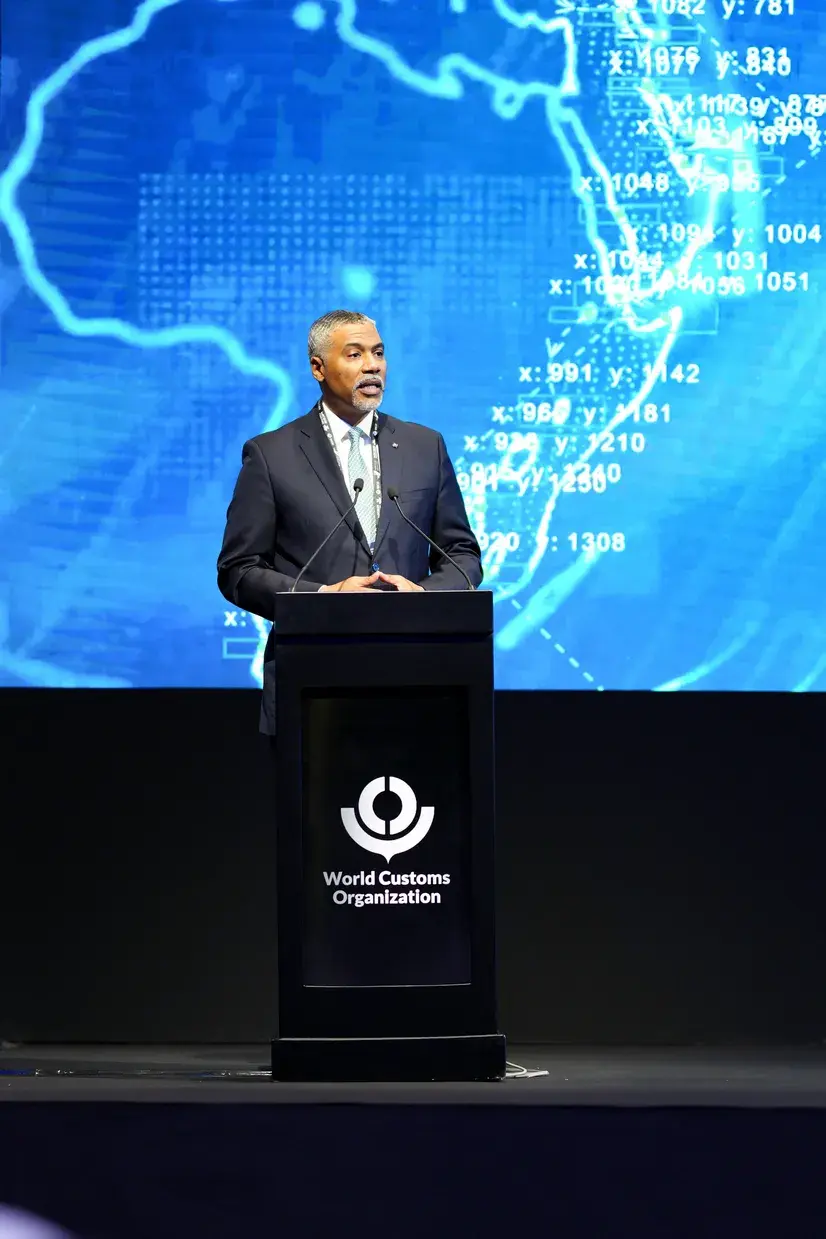
During the opening session, H.E. Ali Mohammed Al Shamsi, Chairman of the Federal Authority for Identity, Citizenship, Customs and Port Security, affirmed that the UAE’s hosting of this international event embodies the vision of its wise leadership to consolidate the country’s position as a global hub for innovation and trade facilitation, and as an advanced environment for leveraging technology in support of sustainable development, security, and global economic prosperity.
H.E noted that digital innovation has become a key pillar in the development of customs systems worldwide, by enhancing transparency and efficiency in border management and securing supply chains, in line with the objectives of the World Customs Organization and the United Nations Sustainable Development Agenda.
H.E. Ali Mohammed Al Shamsi added: “The United Arab Emirates adopts a proactive approach to harnessing advanced technologies, such as artificial intelligence, advanced data analytics, and smart surveillance systems, to develop the national customs sector, support a secure and open trade environment, and strengthen integration between identity, security, and customs within a unified federal framework.”
He further explained that UAE Customs has successfully innovated and delivered more than 80 smart and digital services covering various customs and security domains, with the electronic transformation rate of UAE Customs services reaching 100%, reflecting the UAE’s firm commitment and success in transitioning to a fully integrated digital ecosystem that enhances operational efficiency, accelerates service delivery, and supports the global trade system.
H.E. the Chairman emphasized that the UAE firmly believes that international cooperation and technological partnerships are the cornerstone of building smart customs administrations capable of promoting global trade and addressing cross-border challenges. He also commended the role of the World Customs Organization in convening this conference as a global dialogue platform that brings together leaders and experts from around the world to exchange expertise and insights.
He reaffirmed the UAE’s continued commitment to supporting the efforts of the World Customs Organization in strengthening cooperation, developing smart systems, and building innovative human capabilities capable of shaping a safer and more sustainable future for global trade. He concluded by expressing hope that the discussions and ideas presented during the conference will translate into tangible outcomes on the ground, contributing to the creation of advanced and integrated global customs systems.
Strategic Pillars for Customs Development
In his address during the opening session, H.E. Ahmed Abdullah bin Lahaj Al Falasi, Acting Director General of Customs and Port Security at the Authority, noted that the UAE’s hosting of this global event, coinciding with International Customs Day, further reinforces the country’s leading position as a global destination for hosting major international events and conferences. It also strengthens the UAE’s role as a strategic partner within the global customs ecosystem and underscores its strategic orientation toward facilitating global trade, supporting international efforts to achieve stability, safeguarding the security of societies and nations, protecting supply and logistics chains, and ensuring fair competition in trade.
H.E. Al Falasi explained that, in line with the UAE’s vision, the future customs development framework should be built around several key strategic pillars. These include the optimal deployment of technology and the use of digital solutions and artificial intelligence to enhance daily procedures and facilitate trade in innovative ways; empowering human capital by equipping employees with smart tools and developing skills and capabilities in line with rapid technological advancements; achieving integration and cooperation among relevant national entities through electronic connectivity, shared data and information platforms, and joint operations centers; and, finally, expanding partnerships with key strategic partners and technology solution providers locally and internationally, to deliver practical, scalable innovations that advance national and global trade systems in line with the aspirations of countries and societies.
H.E. Ahmed Abdullah bin Lahaj Al Falasi further highlighted that the use of artificial intelligence technologies in trade is increasing at an accelerating pace. AI models have become among the most influential factors shaping the decisions of consumers, and even governments and states. In this context, he noted that the World Trade Organization expects artificial intelligence technologies to increase the value of global trade in goods and services by 40% by 2040, and to boost global GDP by approximately 12–13%. These developments carry significant implications for the global customs sector and call for enhanced international cooperation and coordination to formulate a forward-looking global customs vision capable of anticipating the future and addressing potential challenges and risks.
He added that the application of AI in e-commerce represents a genuine transformation in how trade is conceptualized, planned, and executed. The global customs sector must recognize this shift, monitor its potential impacts, and prepare accordingly by improving operational efficiency through the use of advanced logistics technologies and applications, and by innovating new tools and mechanisms that enhance customs efficiency, reduce costs, and accelerate trade flows, while simultaneously safeguarding supply and logistics chains through the automation of complex customs processes.
Technology Initiatives of the World Customs Organization
On the other hand, H.E. Ian Saunders, Secretary General of the WCO, emphasized that the daily vigilance of customs administrations worldwide and their commitment to countering the expanding and evolving range of border threats are fundamental to the economic and social prosperity of societies. He explained that customs administrations are collectively entrusted with the regulatory management of global trade flows, while simultaneously supporting a range of core requirements, including border security, revenue collection, economic growth, community protection, and addressing rapidly emerging challenges that often lie beyond the direct control of customs authorities.
H.E. Saunders stated: “Over the course of three days, the Conference explores how customs administrations can harness innovation to strengthen border security, facilitate legitimate trade, and build agility in global supply chains, from non-intrusive inspection and risk management, to cloud computing, data analytics, interoperability, cybersecurity, sustainability, and e-commerce. Most importantly, it brings together government administrations, the private sector, intergovernmental organizations, and academia to examine how we can work together to address ever-evolving threats and challenges.”
H.E the WCO Secretary General highlighted several technology-driven initiatives adopted by the Organization to enable customs administrations, noting that the WCO Cargo Targeting System (CTS) supports Member States in managing data and enforcement activities, and in identifying genuinely high-risk consignments concealed among millions of legitimate shipments.
He added: “The Cargo Targeting System allows customs administrations to transform cargo data into structured risk assessments aligned with international best practices. This helps customs move from intuition to intelligence, and from isolated analysis to collaborative approaches. In doing so, the system becomes not merely a technical tool, but a practical expression of collective customs vigilance and a shared commitment to protecting society while keeping legitimate trade moving.”
H.E. also referred to the Smart Security Devices Initiative, highlighted in a WCO study issued in June 2025, which aims to enhance IoT-based technologies for securing and facilitating supply chains. He explained: “The significance of the Smart Security Devices Initiative lies in moving customs vigilance beyond checkpoints or the moment goods reach the border. Vigilance can travel with the goods themselves. Containers can signal anomalies, trade or customs routes can reveal deviations as they occur, and risks that once remained hidden between points of departure and arrival can be detected. Smart seals, electronic locks, and connected containers enable customs to shift from intermittent intervention to continuous awareness, enhancing security while reducing the burden on legitimate trade. This is not about adding another layer of control; it is about replacing blind spots with visibility.”
The conference will bring together more than 1400 participants, including representatives of WCO Member States, senior officials and experts from customs administrations and other border agencies, technology providers, members of the wider business community, international organizations, development partners, academic institutions, and stakeholders contributing to shaping the future of cross-border trade.
Press Conference and Exhibition Tour
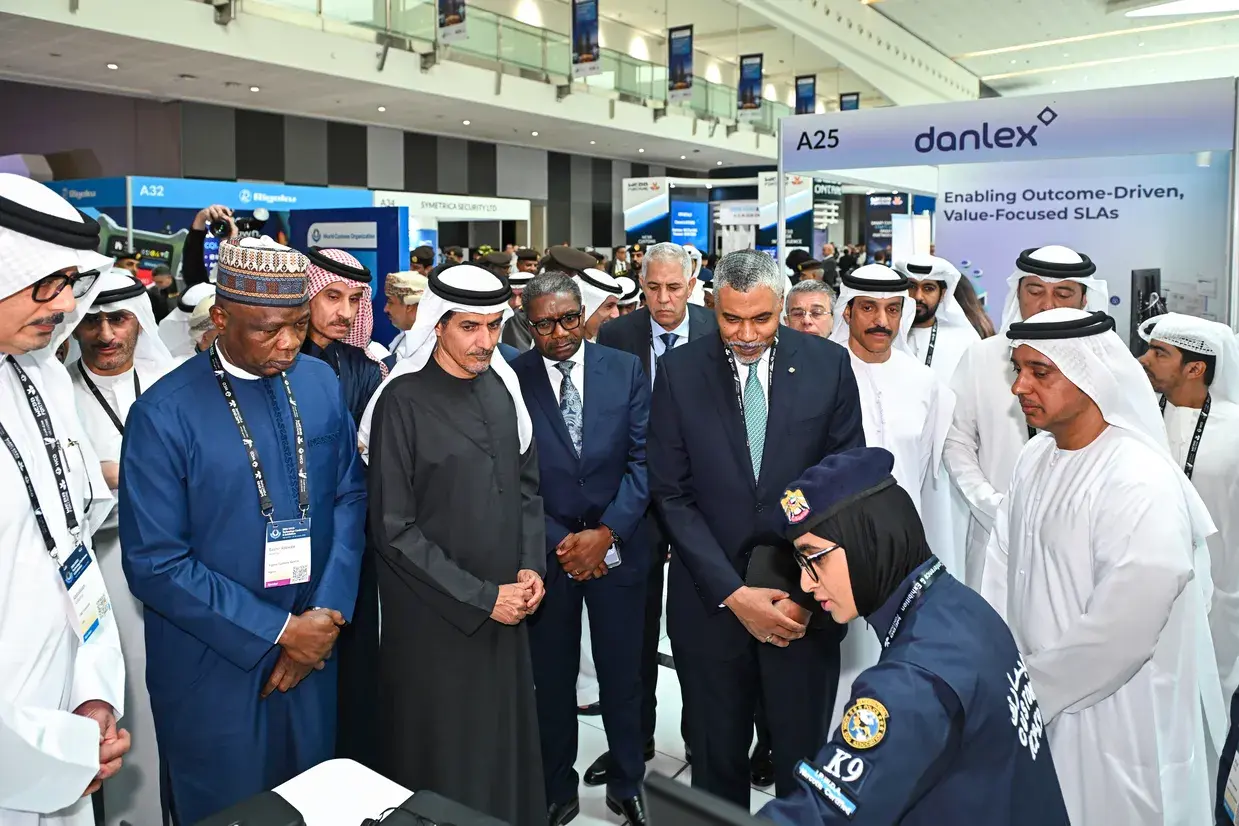
On the sidelines of the first day of the Conference, senior officials and distinguished guests conducted an inspection tour of the exhibition held alongside the event. During the tour, they visited the pavilions of participating entities, technology companies, and solution providers, and reviewed the technical systems and innovative solutions on display for stakeholders in the customs sector, aimed at strengthening the capabilities of customs administrations to address growing challenges.
A press conference was also held following the conclusion of the opening session and the exhibition tour, attended by the Director General of Customs and Ports Security and the Secretary General of the World Customs Organization. During the press conference, H.E. Ahmed Abdullah bin Lahej Al Falasi emphasized the importance of international cooperation in developing customs operations and leveraging technologies and applications to enhance customs efficiency, risk management, and the fight against customs smuggling. He also underscored the critical role of innovation in advancing the global customs ecosystem, highlighting the achievements of UAE Customs and its strong capacity to develop innovative customs systems in the areas of inspection, control, and internal operational processes, citing examples of these systems.
Four Panel Sessions on the First Day
The first day of the Conference featured four panel sessions. The first session, titled “Setting the Scene: Customs Agility in a Complex World – Securing and Facilitating Trade through Innovation,” focused on ways to empower customs administrations and key stakeholders to meet their customs obligations by strengthening institutional agility and adopting innovation, modern standards, data-driven cooperation, and advanced technological solutions to support seamless trade flows. The session also highlighted the importance of safeguarding the integrity and security of global supply chains, while underscoring the strategic role of customs in supporting global economic growth in parallel with protecting societies and enhancing security.
The second panel addressed smart scanners and secure borders, and the role of X-ray innovation in strengthening customs agility. Speakers discussed the rapid growth in global trade volumes, the increasing complexity of threats, and the mounting pressure on customs administrations to balance trade facilitation with security requirements. The session examined how advanced X-ray imaging technologies have evolved from limited tools used at isolated inspection points into flexible, data-rich intelligent platforms capable of reshaping border operations within very short timeframes.
The session also reviewed the latest generations of high-resolution X-ray scanners, characterized by flexible modular designs and available in fixed, mobile, and drive-through configurations. These features enable rapid deployment, reconfiguration, or scaling of use in line with changing operational requirements.
In the third session, speakers explored re-inventing risk management and breaking institutional silos to achieve unified risk assessment. Discussions focused on adopting an integrated approach to risk management by dismantling institutional barriers through data unification, team alignment, and technology integration within a cohesive operational framework. The session emphasized cross-functional collaboration, AI-driven analytics, and the use of centralized platforms to build effective integration within customs administrations, transforming risk assessment into a proactive and agile system that enhances threat detection, accelerates response, and aligns risk management with institutional agility and business continuity requirements.
The fourth session addressed leveraging cloud technology to enhance customs security, highlighting how customs administrations can utilize cloud-based solutions to drive institutional modernization and strengthen their ability to respond effectively to emerging challenges. The session also presented real-world experiences in adopting cloud computing, ranging from migrating legacy systems to deploying AI-enabled analytics and facilitating seamless cross-border data exchange.
Latest Posts

Director General of the Authority Honours Employees of the Institutional Governance Department
ICP Discusses the “Single Point” Passenger Project with a Bahraini Delegation
ICP Participates in the World Governments Summit 2026 with a High-Level Delegation
The Director General of ICP Discusses the Development of Digital Services with Senior Officials
ICP Exchanges Governance Best Practices with the National Center of Meteorology
Rate your experience