









Pioneering Digital Initiatives, Successful Experiences, and Shared Visions Shape the Future of Smart Customs
More than 2,000 participants from government entities and the private sector representing 106 countries
Suhail Saeed Al Khaili:
The conference served as a high-level international platform for exchanging perspectives on the future of customs operations
Ahmed bin Lahaj Al Falasi:
The conference outcomes form the foundation for a unified vision to leverage technology in development initiatives
The World Customs Organization, in cooperation with the Federal Authority for Identity, Citizenship, Customs and Ports Security, concluded on Friday, 30 January 2026, the activities of the WCO Technology Conference and Exhibition 2026, hosted by the United Arab Emirates under the patronage of His Highness Sheikh Mansour bin Zayed Al Nahyan, Vice President of the UAE, Deputy Prime Minister, and Chairman of the Presidential Court, at the Abu Dhabi National Exhibition Centre (ADNEC), over the course of three days.
The conference and exhibition attracted wide interest from senior officials and decision-makers from the UAE and around the world. A total of 2,045 registered participants from government entities, the private sector, technology providers, experts, and specialists representing 106 WCO member countries took part. Attendance remained strong throughout the three days, with 1,660 participants on the first day, 1,300 on the second day, and 1,500 on the third day, in addition to the participation of 61 exhibiting entities from government institutions, private-sector companies, and global technology providers.
A Pivotal Role
His Excellency Major General Suhail Saeed Al Khaili, Director General of the Federal Authority for Identity, Citizenship, Customs and Ports Security, expressed the UAE’s pride in hosting the conference and exhibition, given their critical importance in shaping the future of customs work worldwide. He highlighted the event’s success in providing a platform for all stakeholders in the global customs ecosystem to engage in dialogue and exchange views on key challenges and future development priorities.
He emphasized that the conference constituted a high-level international forum for sharing visions on the future of customs, while underscoring the central role of technology and innovation in enhancing customs efficiency, supporting global supply chains, and achieving a balance between trade facilitation, security, and community protection, aligned with sustainable development goals and the needs of the modern global economy.
A Shared Responsibility
His Excellency Ahmed Abdullah bin Lahaj Al Falasi, Acting Director General of Customs and Ports Security, noted that the conference outcomes and the key customs initiatives presented form the basis for a unified strategic vision to deploy technology across development operations, plans, and national capacity-building strategies, ultimately serving the overarching objective of fair, secure, and facilitated trade.
He added that the ideas, experiences, and recommendations discussed during the conference represent a shared responsibility among all countries to translate them into practical initiatives, tangible projects, and sustainable cooperation that advance global customs development and align with shared aspirations for a smarter and more efficient customs future.
Dialogue Sessions
The conference featured numerous dialogue sessions with speakers representing different geographical customs regions. These sessions addressed key customs issues and best practices in leveraging technology to develop border management systems and operational processes within international customs administrations.
The discussions focused on critical themes essential for capacity building and future readiness, foremost among them customs resilience in a complex world, and securing and facilitating trade through innovation, particularly given that the WCO community manages more than 98% of global trade volume. Sessions also covered smart scanners and secure borders, and innovations in X-ray imaging to enhance customs resilience in the face of increasing challenges, especially as advanced imaging technologies evolve into flexible, data-rich smart platforms capable of reshaping border operations within very short timeframes.
Cloud Technology Investment
During the sessions, speakers addressed the theme of reinventing customs risk management and breaking down institutional silos to achieve a unified risk assessment. They reviewed key practical strategies for transforming risk assessment from a reactive, checklist-based process into a proactive and agile system that enhances threat detection capabilities and accelerates response times. The sessions also explored leveraging cloud technologies to strengthen customs security, highlighting experiences in cloud adoption, from migrating legacy systems to deploying AI-powered analytics and enabling seamless cross-border data exchange. In addition, discussions covered border facilitation and digital solutions for seamless trade through the adoption of a new generation of digital tools and platforms aimed at simplifying procedures, enhancing compliance, and creating greater added value for both government entities and the business sector.
Furthermore, the sessions addressed the concept of “one-click” facilitation, interoperable data, and verifiable credentials to accelerate trusted trade by eliminating repetitive paper-based transactions, automating verification processes, and speeding up trade flows within a secure digital framework that embodies the “one-click facilitation” concept. The discussions also examined data-driven decision-making for sustainable supply chains, including the concepts of “green customs,” green corridors, the Harmonized System for green goods, and circular economy products, as well as risk-based targeting of polluting or illicit shipments. This was complemented by the application of simplified procedures for low-carbon products and the strengthening of partnerships with relevant environmental authorities to ensure compliance with sustainability-related commitments.
Virtual Training
In focused breakout sessions, participants examined topics such as frictionless customs data and accelerating interoperability through the WCO Data Model; standardized non-intrusive inspection systems via the Unified File Format (UFF 3.0); the future of virtual training and e-learning platforms for customs administrations; self-service digital customs empowering officers to build solutions; Internet of Things applications at borders using smart seals; and the creation of cyber-secure trade corridors to protect global supply chains amid accelerating digitalization. The sessions also addressed bridging data gaps and strengthening public–private dialogue on cross-border e-commerce.
Conference Hackathon
The conference hackathon served as a live innovation laboratory and a high-energy interactive platform, where officials, developers, designers, and subject-matter experts competed to devise practical solutions to real-world customs challenges within just 48 hours. Participating teams leveraged open APIs, experimental datasets, and expert mentorship to transform ambitious ideas into tangible, deployable solutions.
During the two-day innovation sprint, hackathon teams successfully converted innovative ideas, such as AI-powered risk assessment engines, green logistics dashboards, etc., into working prototypes. Participants delivered five-minute live demos, while attendees took part in real-time voting via the conference application to select the winning teams.
Latest Posts
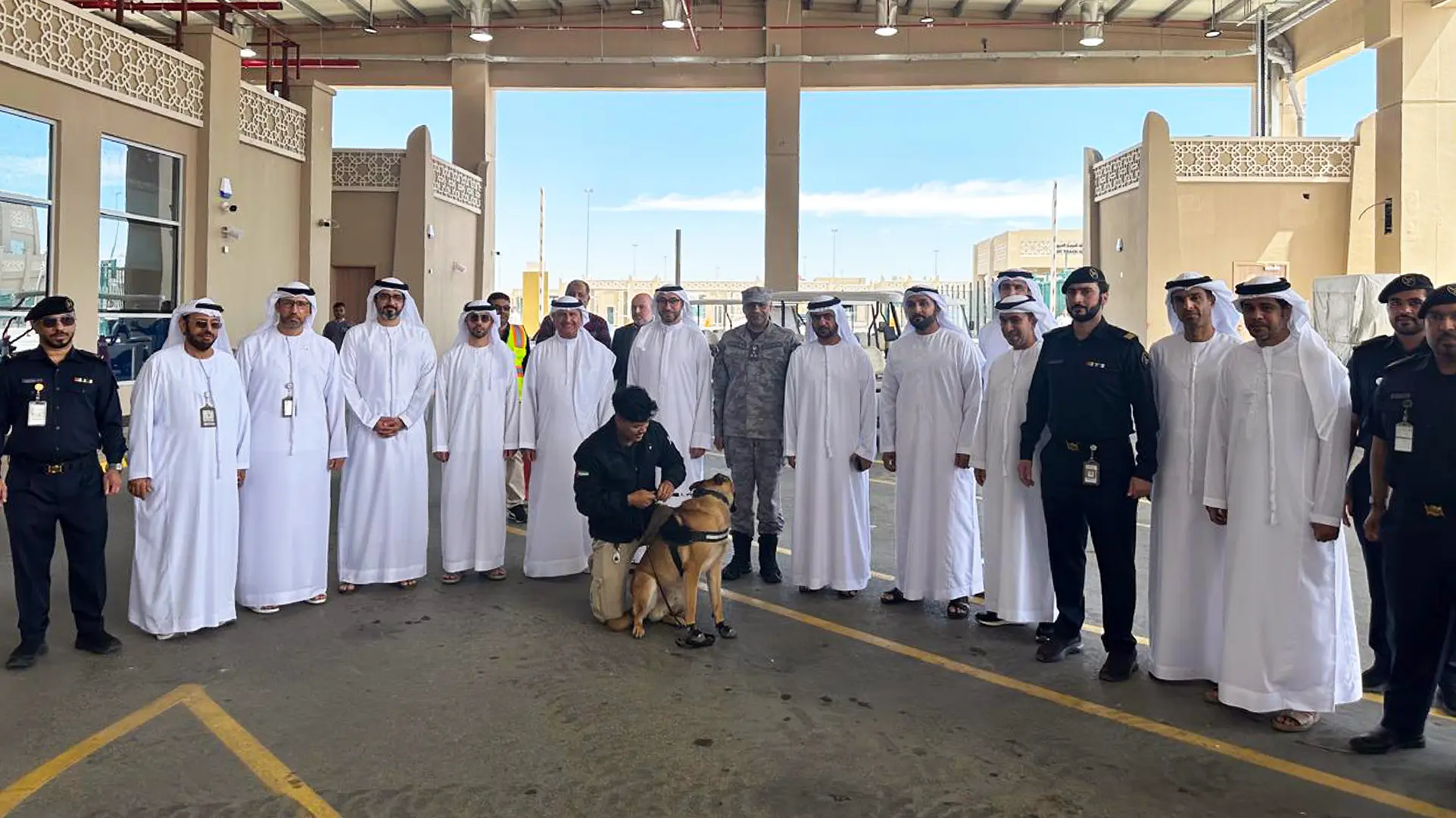
Federal Committee for the Development of Land Ports Discusses Enhancing Flow and Operational Efficiency
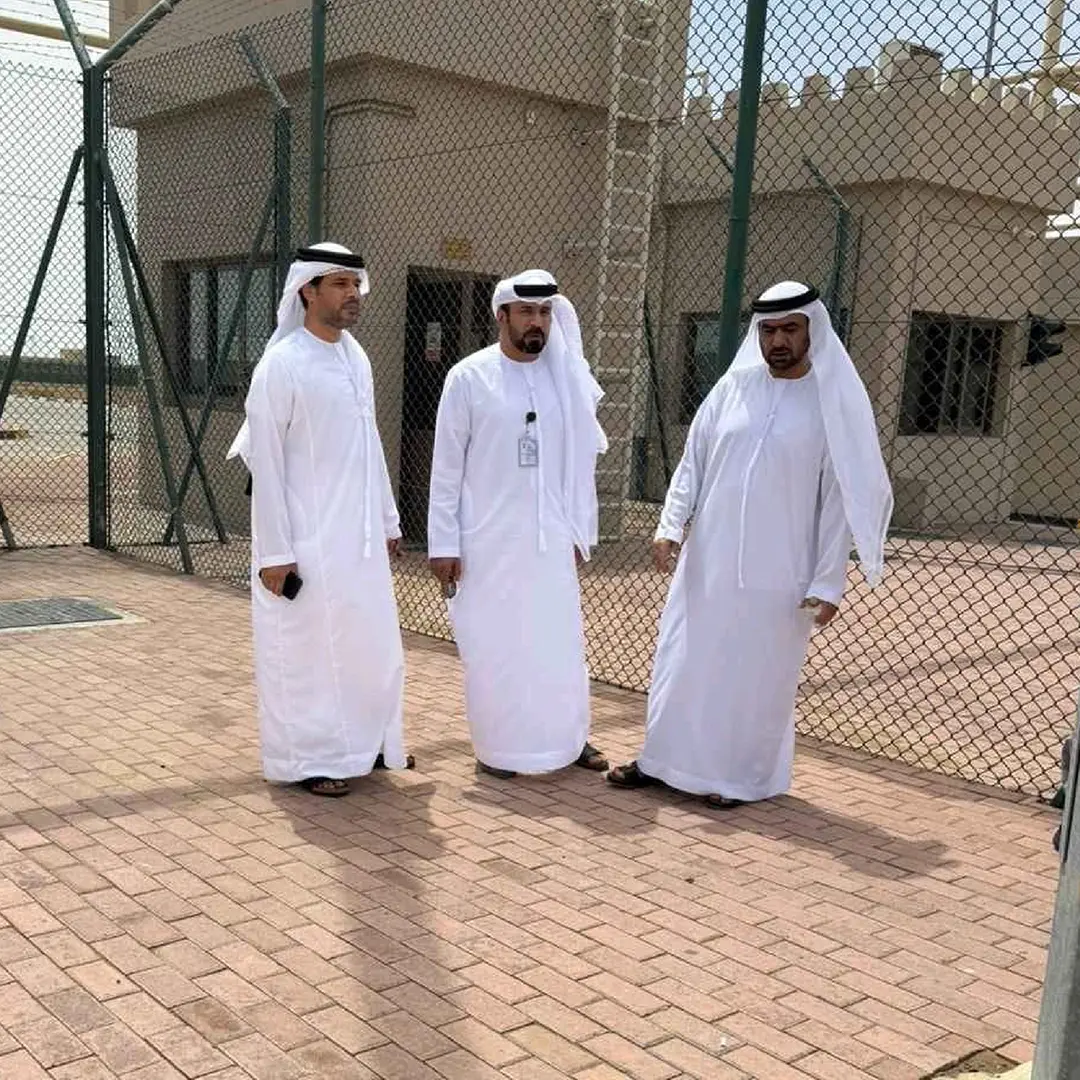
Inspection Visits to UAE Border Crossings to Review Operations Following Recent Weather Conditions

Directors General of UAE Customs Discuss Facilitating Procedures Amid Current Circumstances

Director General of the Authority Honours Employees of the Institutional Governance Department
“Identity and Citizenship” Waives Overstay Fines for Those Affected by Airspace Closure
Rate your experience